
Hey there! As a boltless rack supplier, I often get asked about compatibility issues when integrating boltless racks with other equipment. It's a crucial question, especially for businesses looking to optimize their storage space and streamline operations. In this blog, I'll share my insights on this topic, covering common compatibility challenges and how to address them.
Understanding Boltless Racks
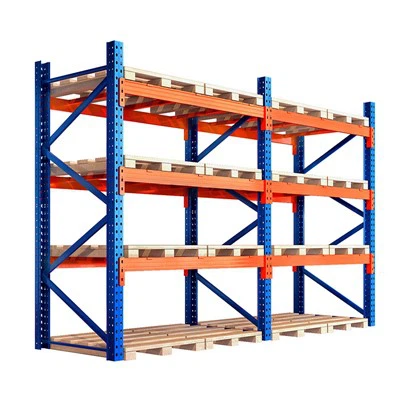
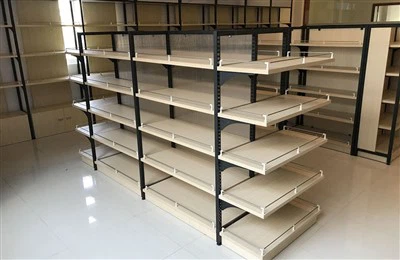
First off, let's quickly go over what boltless racks are. These racks are a popular choice in warehouses, storage facilities, and even retail spaces because they're easy to assemble. You don't need any bolts or nuts, which saves time and effort during installation. They come in various sizes and configurations, like the Rivet Storage Shelves with Wood Layer, Light Duty Warehouse Storage Rack, and Boltless Rivet Shelving Storage Rack.
Common Compatibility Issues
1. Size and Dimensions
One of the most common compatibility issues is the size and dimensions of the boltless racks and other equipment. For example, if you're trying to integrate a boltless rack with a forklift, the rack's height, width, and aisle space need to be compatible with the forklift's turning radius and lifting capacity. If the aisle is too narrow, the forklift won't be able to maneuver properly, which can slow down operations and even cause accidents.
Similarly, if you're using automated storage and retrieval systems (AS/RS), the rack's dimensions need to match the system's specifications. The AS/RS relies on precise measurements to function efficiently, so any mismatch can lead to errors and downtime.
2. Weight Capacity
Another important factor is the weight capacity of the boltless racks and the equipment they'll be used with. Each rack has a specific weight limit, and it's crucial to ensure that the combined weight of the stored items and any additional equipment (like pallets or bins) doesn't exceed this limit. Overloading the racks can cause them to collapse, which is not only dangerous but also costly in terms of damage to the goods and the rack itself.
For instance, if you're using heavy-duty equipment like pallet jacks or stackers, make sure the racks can support the weight of the loaded pallets and the equipment during operation.
3. Connectivity and Integration
When integrating boltless racks with other storage equipment, such as conveyor systems or mezzanines, connectivity and integration can be a challenge. The racks need to be able to connect securely to the other equipment to ensure smooth material flow. For example, if you're using a conveyor system to transport goods to and from the racks, the height and alignment of the conveyor and the rack need to be compatible. Any misalignment can cause jams and disrupt the entire operation.
4. Material and Finish
The material and finish of the boltless racks can also affect compatibility. Different environments require different types of materials and finishes. For example, in a corrosive environment, such as a chemical warehouse, you'll need racks with a corrosion-resistant finish. If the racks are made of a material that's not compatible with the environment or the stored goods, they can deteriorate quickly, reducing their lifespan and performance.
Addressing Compatibility Issues
1. Conduct a Thorough Assessment
Before purchasing boltless racks or any other equipment, conduct a thorough assessment of your storage needs and the existing equipment. Measure the available space, determine the weight capacity requirements, and understand the operational processes. This will help you choose the right size, type, and configuration of boltless racks that are compatible with your existing equipment.
2. Consult with Experts
Don't hesitate to consult with experts, such as rack suppliers or storage consultants. They have the knowledge and experience to help you identify potential compatibility issues and recommend solutions. They can also provide guidance on the best practices for integrating boltless racks with other equipment.
3. Customize the Racks
If off-the-shelf boltless racks don't meet your compatibility requirements, consider customizing them. Many suppliers, including us, offer customization options to ensure that the racks fit your specific needs. You can customize the size, weight capacity, material, and finish of the racks to make them compatible with your other equipment.
4. Test and Validate
Once you've installed the boltless racks and integrated them with other equipment, conduct thorough testing and validation. Make sure that all the equipment is working together smoothly and that there are no compatibility issues. This will help you identify and address any problems before they cause major disruptions to your operations.


Conclusion
Integrating boltless racks with other equipment can present some compatibility challenges, but with proper planning and careful consideration, these issues can be overcome. By addressing the size and dimensions, weight capacity, connectivity, and material and finish requirements, you can ensure that your boltless racks work seamlessly with your other storage equipment.
If you're considering purchasing boltless racks and need help with compatibility or have any other questions, feel free to reach out. We're here to assist you in finding the best storage solutions for your business.
References
- Industry standards and guidelines for storage rack design and installation.
- Manufacturer's specifications for boltless racks and other equipment.
- Case studies and best practices from other businesses in similar industries.