


As a provider of check - out counters, I often encounter various questions from customers, and one of the most common ones is: "Can I use a discount code from an email at the check - out counter?" This question not only reflects consumers' desire for cost - saving but also reveals some interesting aspects of the retail business.
The General Rules of Using Email Discount Codes at the Check - Out Counter
First of all, it's important to understand that the policy regarding using email discount codes at the check - out counter can vary greatly from one retailer to another. Some retailers are very lenient and encourage customers to use these codes to promote sales. They believe that offering discounts can attract more customers, increase customer loyalty, and ultimately boost their revenue.
For instance, a well - known clothing brand might send out weekly email newsletters with exclusive discount codes. When customers bring these codes to the check - out counter, the staff will readily apply them to the purchase. This kind of strategy helps the brand to maintain a good relationship with its customers and encourages repeat business.
On the other hand, some retailers have strict rules about using email discount codes. They may require the code to be valid within a specific time frame, or it can only be used for certain products. For example, a high - end electronics store might send out an email discount code that is only applicable to a particular line of smartphones. If a customer tries to use this code to buy a laptop, the code will not work at the check - out counter.
Factors Affecting the Use of Email Discount Codes
There are several factors that can affect whether a customer can use an email discount code at the check - out counter.
1. Code Validity
The most obvious factor is the validity of the code itself. Many email discount codes have an expiration date. If a customer tries to use an expired code, the check - out system will reject it. Retailers set expiration dates to create a sense of urgency and encourage customers to make purchases in a timely manner.
2. Product Restrictions
As mentioned earlier, some discount codes are only applicable to specific products or product categories. This is a common strategy for retailers to promote certain items. For example, a supermarket might send out an email discount code for a new brand of cereal. Customers can only use this code when purchasing that particular cereal at the Supermarket Cash Register Counter.
3. Quantity Limitations
Some discount codes may have quantity limitations. For example, a code might be valid for a maximum of two items. If a customer tries to use the code to buy three items, the system will only apply the discount to the first two.
4. Multiple Code Usage
In some cases, retailers may not allow customers to use multiple discount codes on a single purchase. This is to prevent customers from getting excessive discounts and to protect the retailer's profit margin.
The Process of Using Email Discount Codes at the Check - Out Counter
When a customer arrives at the check - out counter with an email discount code, the process usually goes as follows:
First, the customer informs the cashier that they have an email discount code. The cashier will then ask the customer to provide the code. The customer can either read the code aloud or show the email on their mobile device.
Next, the cashier enters the code into the check - out system. If the code is valid and meets all the requirements, the system will automatically calculate the discounted price. The customer will then pay the reduced amount.
However, if the code is invalid or does not meet the requirements, the cashier will explain the situation to the customer. In some cases, the customer may be able to contact the retailer's customer service to resolve the issue.
Benefits for Retailers and Customers
Using email discount codes at the check - out counter can bring benefits to both retailers and customers.
For retailers, offering email discount codes is an effective marketing strategy. It can attract new customers, retain existing customers, and increase sales. By sending out targeted discount codes, retailers can also gather valuable data about their customers' purchasing habits.
For customers, using email discount codes can save them money. They can get products at a lower price, which is especially beneficial for those on a tight budget. Moreover, it gives customers a sense of satisfaction and makes their shopping experience more enjoyable.
Challenges and Solutions
Despite the benefits, there are also some challenges associated with using email discount codes at the check - out counter.
One of the main challenges is fraud. Some customers may try to use fake or expired codes. To address this issue, retailers can implement strict verification procedures. For example, they can require customers to show a valid email with the code or use a unique identifier for each code.
Another challenge is the complexity of the discount code system. Some customers may find it difficult to understand the terms and conditions of the codes. Retailers can simplify the process by providing clear instructions in the email and at the check - out counter.
Conclusion
In conclusion, whether a customer can use a discount code from an email at the check - out counter depends on various factors such as code validity, product restrictions, and retailer policies. While there are some challenges, the use of email discount codes can bring significant benefits to both retailers and customers.
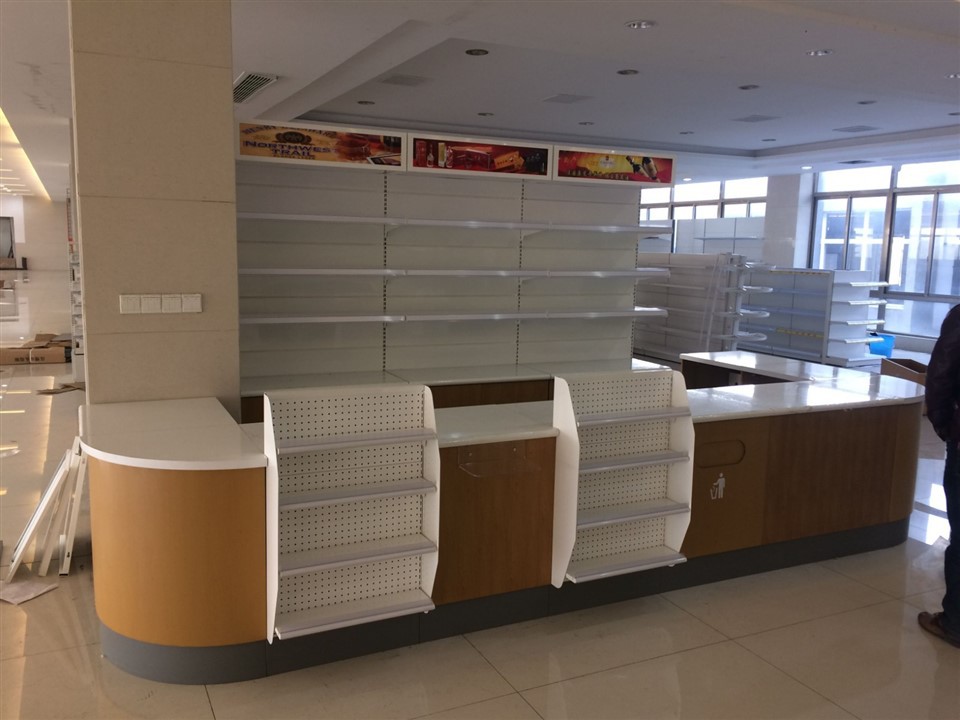
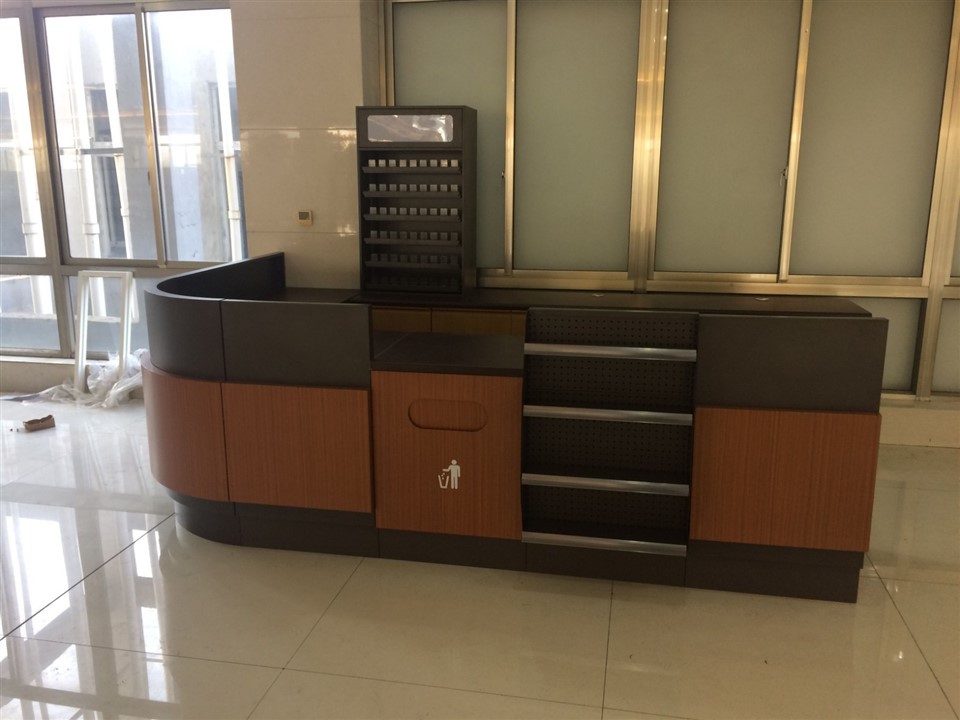
As a provider of check - out counters, we understand the importance of a smooth and efficient check - out process. Our Supermarket Cash Register Counter is designed to handle various payment methods and discount code applications. If you are interested in purchasing high - quality check - out counters for your business, we welcome you to contact us for further discussion and negotiation. We are committed to providing you with the best solutions to meet your needs.
References
- Retail Marketing Strategies: A Comprehensive Guide, by John Smith
- Consumer Behavior in the Digital Age, by Jane Doe


