
When it comes to optimizing your warehouse storage, choosing the right pallet for your pallet rack is crucial. As a professional pallet rack supplier, I understand the significance of this decision and am here to guide you through the process. In this blog, I'll share some key factors to consider when selecting the appropriate pallet for your pallet rack, ensuring efficient storage and seamless operations.
1. Pallet Material
The material of the pallet plays a vital role in its performance and suitability for your pallet rack. There are several common pallet materials, each with its own advantages and disadvantages.
- Wooden Pallets: Wooden pallets are one of the most widely used types. They are relatively inexpensive, easy to repair, and have good load - bearing capacity. However, they can be prone to moisture damage, pests, and splintering. If you choose wooden pallets, make sure they are properly treated to prevent these issues.
- Plastic Pallets: Plastic pallets are durable, lightweight, and resistant to moisture, chemicals, and pests. They are also easy to clean, which makes them suitable for industries with strict hygiene requirements, such as the food and pharmaceutical industries. However, they are generally more expensive than wooden pallets.
- Metal Pallets: Metal pallets offer high strength and durability, making them ideal for heavy - duty applications. They are resistant to fire, corrosion, and impact. Nevertheless, they are heavier and more costly than wooden and plastic pallets.
2. Pallet Size
The size of the pallet must be compatible with your pallet rack. The most common pallet sizes are 48" x 40" (inches) in the United States and 1200mm x 1000mm in Europe. However, there are many other sizes available to meet different storage needs.
- Standard Sizes: Using standard - sized pallets can simplify your storage operations and ensure compatibility with most pallet racks. It also allows for easier handling and transportation.
- Custom Sizes: In some cases, you may need custom - sized pallets to fit specific products or storage requirements. For example, if you have large or irregular - shaped items, a custom - sized pallet can provide a better fit and more efficient storage.
3. Load Capacity
The load capacity of the pallet is another critical factor. It refers to the maximum weight that the pallet can safely support. You need to consider both the static load (when the pallet is stationary) and the dynamic load (when the pallet is being moved).
- Static Load: The static load capacity is important for storage on the pallet rack. Make sure the pallet can support the weight of the products when they are stacked on the rack for an extended period.
- Dynamic Load: The dynamic load capacity is relevant when the pallet is being handled by forklifts or other material - handling equipment. The pallet should be able to withstand the forces exerted during movement without breaking or deforming.
4. Pallet Design
The design of the pallet can also affect its performance on the pallet rack.
- Stringer Pallets: Stringer pallets have two or more stringers running along the length of the pallet. They are suitable for light - to medium - duty applications and are often used with forklifts that can access the pallet from the sides.
- Block Pallets: Block pallets have blocks at each corner and along the edges, providing support from all four sides. They are more versatile and can be accessed by forklifts from all directions, making them suitable for heavy - duty applications and automated storage systems.
5. Compatibility with Pallet Rack
The pallet must be compatible with your specific type of pallet rack. For example:
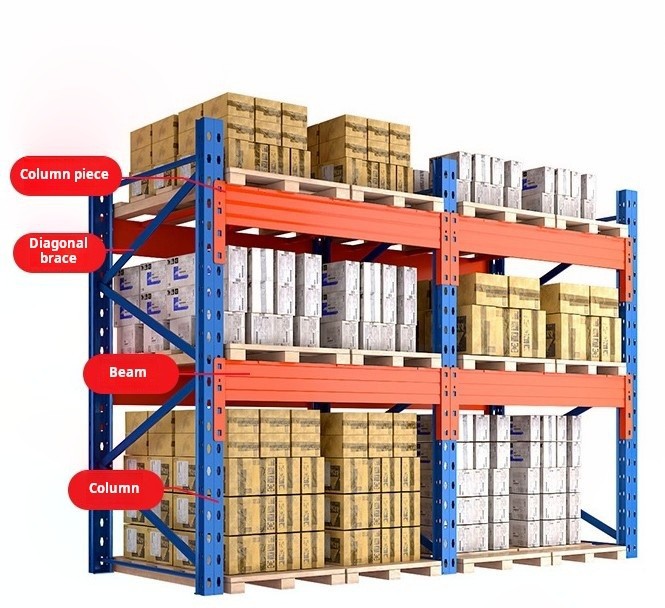
- High Bay Pallet Racking: If you are using High Bay Pallet Racking, you need pallets that can withstand the height and the associated forces. Pallets with good stability and load - bearing capacity are essential.
- High Density Pallet Racking System: For High Density Pallet Racking System, pallets need to be designed to fit the specific layout and operation of the system. They should be able to slide smoothly in and out of the racking channels.
6. Industry Requirements
Different industries have different requirements for pallets.

- Food Industry: In the food industry, pallets need to meet strict hygiene standards. Plastic pallets are often preferred due to their ease of cleaning and resistance to bacteria.
- Automotive Industry: The automotive industry may require heavy - duty pallets to handle large and heavy parts. Metal pallets or high - strength plastic pallets are commonly used.
7. Cost - Benefit Analysis
Finally, you need to conduct a cost - benefit analysis. While it may be tempting to choose the cheapest option, you also need to consider the long - term costs and benefits.
- Initial Cost: The initial cost of the pallet is an important consideration. Wooden pallets are generally the least expensive, while metal pallets are the most expensive.
- Maintenance and Replacement Costs: Consider the maintenance and replacement costs over the life of the pallet. For example, wooden pallets may require more frequent repairs and replacements compared to plastic or metal pallets.
In conclusion, choosing the right pallet for your pallet rack requires careful consideration of multiple factors, including material, size, load capacity, design, compatibility, industry requirements, and cost - benefit analysis. As a pallet rack supplier, we have a wide range of pallets and racking systems to meet your specific needs. Whether you are looking for High Bay Pallet Racking or High Density Pallet Racking System, we can provide you with professional advice and high - quality products.
If you are interested in learning more about our pallet and pallet rack solutions, or if you have any questions regarding the selection process, please feel free to contact us for a detailed consultation. We are committed to helping you optimize your warehouse storage and improve your operational efficiency.
References
- "Pallet Design and Selection Guide" - Material Handling Industry of America
- "Warehouse Storage Systems: Best Practices" - Supply Chain Management Review