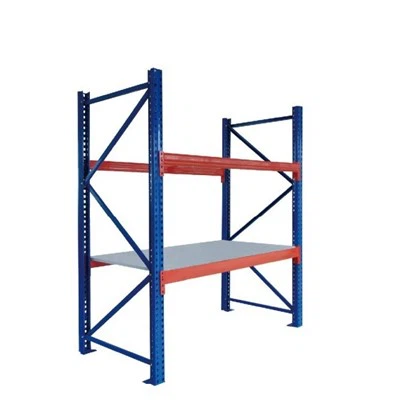

Hey there! As a heavy duty rack supplier, I've seen firsthand how crucial it is to ensure the stability of these racks during use. Heavy duty racks are the workhorses of warehouses and industrial settings, and their stability is not just about keeping goods in place; it's about safety and efficiency. So, let's dive into some key ways to make sure your heavy duty racks stay steady.
1. Proper Installation
First things first, proper installation is the foundation of a stable heavy duty rack. You can't just slap these things together and expect them to hold up. It's essential to follow the manufacturer's instructions to the letter. Make sure the floor is level and can support the weight of the rack and its contents. Uneven floors can cause the rack to tilt, leading to instability.
When installing, use all the necessary hardware and ensure that everything is tightened properly. Loose bolts or connections can lead to wobbling and potential collapse. If you're not confident in your installation skills, it's worth hiring a professional. They have the experience and tools to get the job done right.
2. Weight Distribution
One of the biggest factors affecting rack stability is weight distribution. You can't just pile all the heavy stuff on one side or level of the rack. It's important to distribute the weight evenly across the rack. This means placing heavier items on the lower levels and lighter items on the upper levels.
When loading the rack, try to keep the center of gravity as low as possible. This helps prevent the rack from tipping over. Also, make sure that the weight on each shelf does not exceed its rated capacity. Overloading a shelf can cause it to bend or break, which can compromise the entire rack's stability.
3. Regular Inspections
Regular inspections are a must to ensure the ongoing stability of your heavy duty racks. You should inspect the racks at least once a month, or more frequently if they are in heavy use. Look for signs of damage, such as bent or broken beams, loose connections, or rust.
If you notice any damage, it's important to address it immediately. Replace any damaged parts as soon as possible to prevent further problems. You can also use a rack safety inspection checklist to make sure you don't miss anything.


4. Use of Safety Accessories
There are several safety accessories that can help improve the stability of heavy duty racks. For example, rack protectors can be installed at the base of the rack to prevent damage from forklifts or other equipment. These protectors absorb the impact and help keep the rack upright.
Another useful accessory is shelf dividers. They help keep items organized and prevent them from shifting around on the shelves. This can reduce the risk of items falling and causing the rack to become unstable.
5. Training for Employees
Your employees play a crucial role in maintaining the stability of heavy duty racks. Make sure they are properly trained on how to use the racks safely. This includes how to load and unload items, how to operate forklifts around the racks, and how to recognize signs of instability.
Provide regular training sessions to keep your employees up-to-date on safety procedures. Encourage them to report any issues or concerns they notice with the racks. By involving your employees in the safety process, you can help prevent accidents and ensure the long-term stability of your racks.
6. Consider the Environment
The environment in which the heavy duty racks are located can also affect their stability. For example, if the warehouse is in a high-humidity area, the racks may be more prone to rust. Rust can weaken the metal and reduce the rack's strength.
To prevent this, you can use racks made from corrosion-resistant materials or apply a protective coating to the racks. Also, make sure the warehouse is well-ventilated to reduce humidity levels.
7. Upgrading and Maintenance
As your business grows and your storage needs change, you may need to upgrade your heavy duty racks. This could involve adding more shelves, increasing the height of the racks, or replacing old racks with new ones.
Regular maintenance is also important to keep the racks in good condition. This includes cleaning the racks, lubricating moving parts, and tightening any loose connections. By investing in regular maintenance, you can extend the lifespan of your racks and ensure their stability.
Conclusion
Ensuring the stability of heavy duty racks during use is essential for the safety and efficiency of your warehouse. By following these tips, you can minimize the risk of accidents and keep your racks in top condition.
If you're in the market for heavy duty racks, we offer a wide range of options, including Industrial Warehouse Shelving Rack, Heavy Duty Racking System for Warehouse, and Warehouse Steel Storage Rack. Our racks are designed to be stable, durable, and easy to install.
If you have any questions or would like to discuss your specific storage needs, feel free to get in touch. We're here to help you find the perfect heavy duty rack solution for your business.
References
- Industry best practices for heavy duty rack installation and maintenance.
- Manufacturer's guidelines for heavy duty rack use and safety.