The Golden Rules of Shelf Height
Supermarket shelves aren't just randomly stacked blocks; their height hides secrets that encourage customers to spend more:
Reach Zone (0.8-1.5 meters): High-profit items are placed here, easily accessible without bending or stretching.
Eye-Level Zone (1.5-1.7 meters): Featured products are placed here, utilizing the human tendency to focus on items at eye level.
Bottom Zone (0.3-0.8 meters): Large packages or long-lasting goods are stored here, testing the customer's purchasing resolve.
Top Display Zone (above 1.7 meters): Used for inventory turnover or to create a visually full shelf appearance.
Hidden Differences in Different Areas
Attentive consumers will notice that the shelf heights in the fresh produce and household goods sections are completely different:
Fresh Produce Refrigerated Cabinets: Generally shorter (within 1.6 meters) to prevent cold air from sinking and compromising the freshness of upper-shelf products.
Snack and Beverage Shelves: Often feature a stepped design, with smaller packages placed lower and larger packages stacked higher.
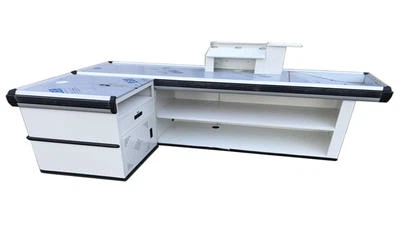
Checkout Counter Shelves: Height is strictly controlled to below 1.2 meters, both to avoid obstructing surveillance cameras and to encourage impulse purchases.
The Evolution of Future Shelves
The new generation of shelves is breaking traditional height limitations:
Adjustable Modules: Automatically adjust according to the time of day, lowering during peak hours for easier access for elderly shoppers.
Contextualized Combinations: The entire mother and baby section is lowered by 0.3 meters to create a child-friendly atmosphere.
Vertical Farming Shelves: 5-meter-high vertical planting shelves, with freshly harvested vegetables directly dropping into the bottom sales area.