When opening a supermarket or convenience store, the placement of shelves and merchandise is crucial. Here are some practical suggestions to help you plan your store space effectively and enhance the customer shopping experience.
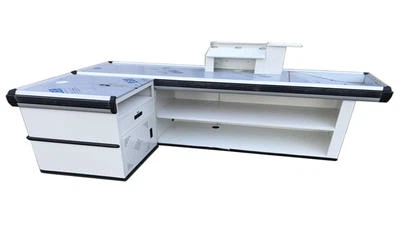
First, creating a store layout plan is key. Regardless of the store size, use a floor plan as the basis to determine the location of functional elements such as wall shelves, double-sided shelves, gondolas, display stands, cash registers (counters), and end-of-aisle displays.
Next, create a rough layout based on the floor plan, selecting appropriate shelf styles and determining their height, width, length, number of shelves, whether they have back panels, and color.
The floor plan can also be used to define merchandise display areas and select targeted functional shelving. Then, create simple renderings to determine the overall style and effect of the store, make adjustments as needed, and finalize the plan.
Shelf displays should be based on optimal visual placement, displaying high-margin products or frequently purchased items. Avoid placing too many frequently purchased items in premium locations; instead, distribute them strategically throughout the layout.
Frequently purchased items are the most attractive to customers, but you should also use them to create the greatest display advantage, allowing customers to see more products while purchasing these items, thus achieving better display and sales results.
Use product placement to manage customer flow and prevent congestion at the store entrance. High-selling products can be strategically placed in different locations to encourage customers to browse and purchase other items.