
Hey there! As a supplier of warehouse mezzanines, I've seen firsthand how crucial it is to optimize the space in a warehouse. A well - optimized mezzanine can significantly increase storage capacity, improve workflow, and save costs. So, let's dive into some practical ways to make the most of your warehouse mezzanine space.
1. Plan Your Layout Wisely
The first step in optimizing your warehouse mezzanine space is to plan the layout carefully. You need to consider the type of products you'll be storing, the frequency of access, and the flow of goods. For instance, if you have high - turnover items, place them in easily accessible areas near the stairs or elevators.
When planning, think about creating clear aisles. Narrow aisles can save space, but they need to be wide enough to allow for smooth movement of equipment like forklifts or pallet jacks. You can use layout planning software to visualize different scenarios and choose the one that works best for your needs.
2. Choose the Right Mezzanine System
There are different types of mezzanine systems available, and choosing the right one can make a big difference in space optimization.
-
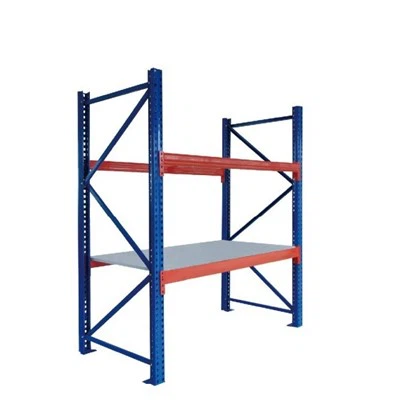
Industrial Warehouse Mezzanine Platform Racking System: This system is great for storing a variety of items. It provides a stable platform for stacking goods, and you can customize the shelving to fit different product sizes. Check out Industrial Warehouse Mezzanine Platform Racking System for more details.
-
Heavy - duty Mezzanine Racking System for Warehouse: If you're dealing with heavy or large items, a heavy - duty mezzanine is the way to go. It can handle substantial weight and is designed to be durable. You can find more info about it at Heavy - duty Mezzanine Racking System for Warehouse.
-
Multi - level Racking System for Warehouse Storage: For warehouses with limited floor space, a multi - level racking system can be a game - changer. It allows you to stack multiple levels of storage, effectively multiplying your storage capacity. Learn more about this system at Multi - level Racking System for Warehouse Storage.
3. Utilize Vertical Space
One of the biggest advantages of a mezzanine is the ability to use vertical space. Don't just focus on the floor area; look up! Install tall shelving units or racks that reach up to the ceiling. You can use adjustable shelving to accommodate different product heights.
For example, if you have long - term storage items that don't need to be accessed frequently, you can store them on the upper levels. This way, you free up the lower levels for more accessible and high - turnover items.
4. Implement a Good Inventory Management System
A proper inventory management system is essential for space optimization. It helps you keep track of what's in stock, where it's located, and when it needs to be restocked.
Use barcode scanners or RFID technology to quickly identify and locate items. This reduces the time spent searching for products and ensures that you're using the available space efficiently.
You can also use inventory management software to analyze your stock levels and make informed decisions about storage. For instance, if you notice that certain items are taking up a lot of space but have low demand, you can consider reducing your inventory of those items or finding a more space - efficient way to store them.
5. Consider the Loading and Unloading Areas
The loading and unloading areas are critical parts of the warehouse. Make sure they are well - designed and integrated with the mezzanine.


If you have a lot of incoming and outgoing goods, you might want to consider adding additional ramps or elevators to the mezzanine. This can speed up the loading and unloading process and prevent bottlenecks.
Also, ensure that the loading and unloading areas are organized. Have designated areas for different types of products and keep them clean and clutter - free.
6. Use Modular and Flexible Solutions
Modular mezzanine systems are a great option for space optimization. They can be easily reconfigured or expanded as your business grows or your storage needs change.
For example, if you need to add more shelving or change the layout of your mezzanine, a modular system allows you to do so without a lot of hassle. This flexibility ensures that you can always adapt your mezzanine to meet your current requirements.
7. Keep the Mezzanine Clean and Organized
A clean and organized mezzanine is more efficient. Regularly clean the floors, shelves, and aisles to prevent debris from accumulating.
Label all storage areas clearly so that everyone knows where to find things. This reduces the time spent searching for items and improves productivity.
You can also implement a system for removing obsolete or damaged items from the mezzanine. This frees up space for new inventory and ensures that your storage area is always in good condition.
8. Train Your Staff
Your staff plays a crucial role in space optimization. Make sure they are trained on how to use the mezzanine effectively.
Train them on proper storage techniques, such as how to stack items safely and how to use the equipment correctly. Also, teach them about the importance of keeping the mezzanine organized and following the inventory management system.
By having well - trained staff, you can ensure that the mezzanine is used to its full potential and that space is optimized.
Contact Us for Your Warehouse Mezzanine Needs
If you're looking to optimize the space on your warehouse mezzanine, we're here to help. As a leading supplier of warehouse mezzanines, we have the expertise and products to meet your specific requirements. Whether you need a simple mezzanine platform or a complex multi - level racking system, we can provide you with the right solution.
Get in touch with us to discuss your project and find out how we can help you make the most of your warehouse space. We're ready to work with you to create a customized mezzanine that fits your needs and budget.
References
- "Warehouse Design and Management" by J. R. Stock and D. M. Lambert
- "Supply Chain Logistics Management" by R. B. Handfield and E. L. Nichols